
ハワイ サウスショア 5月号ニュースレター
🌊 ハワイアン・サウス・ショア月刊ニュースレター 🌊
サーフカルチャー&ギアのプレミアム情報源
🏄♂️ 月刊サーフカルチャー・ディープダイブへようこそ
ハワイアン・サウス・ショア月刊ニュースレターへようこそ。サーフコミュニティ、ギア情報、オーシャンカルチャーに関する包括的なガイドです。この月刊誌では、メンバーの紹介、教育記事、製品レビュー、サーフ界の最新情報など、中級者から上級者サーファーがスキルを向上させ、コミュニティとのつながりを保つのに役立つ詳細なコンテンツをお届けします。
これは、毎週ショップの新着商品や再入荷商品の最新情報を簡潔にお届けする「アロハ・フライデー・ニュースレター」とは異なります。アロハ・フライデーはショッピング情報、この月刊ニュースレターはサーフカルチャー、教育、コミュニティの物語を深く掘り下げるものとお考えください。
今月号の内容はこちらです。
📋 目次
📝 デイビッドからのメッセージ
皆さんアロハ!月刊ニュースレターをご覧いただきありがとうございます。毎週の「アロハフライデー」版をまだ読んでいない方は、ぜひチェックしてみてください。週ごとの出来事がしっかりまとめられています。今月、私は青森の浅虫温泉へ向かいます。この温泉は初めてなので、訪れるのが楽しみです。青森は2回目ですが、前回はねぶた祭りに行きました。まだ見たことがない方は、本当にワイルドです。幅約9メートル、高さ約5メートルの巨大な光る山車が、人々によって街中を練り歩きます。音楽が鳴り響き、踊り子が「ラッセラー!」と叫び、一晩中クレイジーで素晴らしいエネルギーに満ちています。毎年300万人以上が訪れると思います。食べ物に関しては、青森には驚かされました。赤飯を試したのですが、普通はほんのり甘い小豆ご飯ですが、青森のものはとても甘かったです。大量の砂糖を使うので、ほとんどデザートのようでした。青森の食べ物は、日本の他の地域とは異なり、独自のものです。例えば、味噌カレー牛乳ラーメンがあります。そうです、すべてが一杯に。奇妙ですが、美味しいです。そして、他では見られないユニークなものがたくさんあります。せんべい汁という地元のスープがあり、麺の代わりにパリパリのせんべいが入っています。また、イカ料理、大量のリンゴを使った料理(たくさん栽培されているので)、いちご煮というウニのスープもあります。とにかく、日本の北を訪れることを考えているなら、青森は間違いなく立ち寄る価値があります。もし私が言及したことについて質問がある場合、または単に話しがしたい場合は、私に連絡してください。また次回お会いしましょう。—デイビッド
🌊 ワールド・サーフ・リーグが2026年のワールドツアー形式に大幅な変更を発表

過去5年間、ワールド・サーフ・リーグ(WSL)は、ワールドツアーとワールドチャンピオンシップの構造を著しく変更する実験を行ってきました。
WSLの2021年フォーマット変更:新構造
2021年から、WSLはツアーのスケジュールとチャンピオンシップの決定方法に影響を与える一連のルールを実施しました。最大の変更点は、ツアーランキング下位3分の1がツアーから脱落するミッドイヤーカット(チャレンジャーシリーズで再資格獲得を目指すことを余儀なくされる)と、男女ツアーのトップ5のサーファーによって争われる1日限りのチャンピオンシップイベントでした。10イベントのレギュラーシーズン終了後、累積ポイント合計が最も高い選手に世界タイトルを授与するのではなく、トップ5がタイトルを争うためにトレッスルズで激突し、各サーファーのチャンピオンシップイベントでのシードは年末ランキングに基づいて決定されました。
賛否両論と主な批判
この新構造は、控えめに言っても議論の的となりました。いくつかの利点もありました。例えば、シーズン後半のイベント期間の短縮や、事前にスケジュールされ、確実なドラマを提供するテレビ向け決勝イベントなどです。しかし、パイプラインに代わってトレッスルズが年の最後の決定的なイベントとなったこともありました。さらに、複数回の優勝と莫大なポイントリードでシーズンを支配したサーファーは、チャンピオンシップカップを獲得するために決勝日にも勝つ必要があったため、ペナルティを受けました。
フォーマットの賛否
このフォーマットには、他のスポーツのフォーマットを反映している、世界最高の選手がプレッシャーの下で最高のパフォーマンスを発揮することを強制する、アンダードッグが世界タイトルを獲得するチャンスを与える(例えば、ステファニー・ギルモアは5位から記録的な8回目の世界タイトルを獲得したことで有名)といった議論がありました。しかし、ロワーズ・トレッスルズの波に自然に適応するアプローチを持つサーファーに大きく有利に働き、以前であれば確実に世界タイトルを獲得していたであろう一貫して支配的なアスリートからその機会を奪うことにもなりました。
カリッサ・ムーア:フォーマットの影響に関するケーススタディ
これの最大例はカリッサ・ムーアで、レギュラーシーズンを完全に支配し、大量のポイントリードで決勝に進出した年に、1日決勝形式で3つの世界タイトルを失いました。もしWSLの実験がなければ、カリッサは5回ではなく8回の世界タイトルを獲得し、ステファニー・ギルモアは7回しか獲得していなかったでしょう。つまり、カリッサが女性世界タイトル獲得数の記録保持者になっていたはずです。
WSLの撤回:2026年に伝統的な形式に戻る
このフォーマットが5年間続いた後、WSLの新CEOであるライアン・クロスビーは今週、ワールドツアーが伝統的なフォーマットに戻ることを発表しました。ただし、いくつかの小さな変更はあります。2026年から、ワールドツアーは1日決勝形式を使用しなくなります。代わりに、シーズン終了時の累積ポイント合計が最も高い選手が再び世界チャンピオンに輝きます。さらに、パイプマスターズはワールドツアーの最終戦に戻り(過去5年間は開幕戦でしたが)、WSLはVansからパイプマスターズのIPの権利を再取得します。
パイプマスターズが最終イベントとして復活
そして、ワールドツアーにおけるパイプの影響力を高めるため、パイプマスターズでのポイントには追加の重みが与えられます(乗数1.5)。年間他の11のイベントでは勝者に10,000ポイントが与えられますが、パイプラインでの「決勝」イベントでは勝者に15,000ポイントが与えられ、他の順位も同じ乗数で増加します。
その他のフォーマット変更の詳細
その他のフォーマット変更には、イベントでの最初のラウンドのノンエリミネーションヒートがなくなること(つまり、すべてのヒートがエリミネーションヒートになること)、そしてミッドイヤーカットがなくなることが含まれます。代わりに、ツアーアスリート全員が年の最初の9つのイベントを争います。その後、10番目と11番目のイベント(WSLはこれを「ポストシーズン」と呼んでいます)には、ツアーアスリートのトップ3分の2のみが出場します(9つのイベントの後、下位3分の1にランクされている選手はタイトル争いの数学的な候補ではないという仮定に基づいています)。最後に、ツアーアスリート全員(「ポストシーズン」に参加しなかった選手も含む)がパイプラインでの「決勝」イベントに参加します。パイプの後、世界タイトルと年末ランキングは、9つのイベントの「レギュラーシーズン」からの各アスリートのトップ7の結果、および2つの「ポストシーズン」の結果とパイプラインでの「決勝」の結果を合計して決定されます。
サーフコミュニティ全体で肯定的な反応
この変更は過去1週間で多くの肯定的な報道を受け、サーフファンや競技者たちは、パイプラインで終わる累積ポイントによる世界選手権の復活を祝っています。また、この変更が、このスポーツの最も伝説的なアスリートの何人かを競技に復帰させるきっかけとなるかどうかの憶測も生んでいます。

2026年にレジェンドたちは戻ってくるのか?
カリッサ・ムーアは、家族を持つことに専念するため、昨年ワールドツアーから一時的に離れていました。同じ時期に、ジョン・ジョン・フローレンスも今シーズンは休養を取り、家族、フリーサーフィン、その他の情熱的なプロジェクトに集中することを選択しました。ステファニー・ギルモアも2年間の休養期間の真っ只中にいます(ただし、今週のゴールドコーストイベントにはワイルドカードとして出場しました)。最後に、ガブリエル・メディナは怪我のため2025年シーズンの前半を欠場しており、過去のシーズンも個人的な理由で欠場していました。これら4人のアスリートは合計19の世界タイトルを保持しており、多くのファンは新しい形式が彼らをワールドツアーに引き戻すことを期待しています。特にオアフのカリッサとジョン・ジョンは、2026年の形式から多くの恩恵を受けるでしょう。彼らはパイプラインで史上最高の選手の一人であり、シーズン全体を通して一貫して優れた競争力を持つことを証明しています。
カムバック・カルーセルのまとめ:誰が戻ってくる可能性があるか?
この変更は、サーフィンのエリート選手たちの復帰の可能性についての議論を巻き起こしました。
- カリッサ・ムーア:現在、家族に集中するため休養中。
- ジョン・ジョン・フローレンス:休養中、復帰を検討中。
- ステファニー・ギルモア:2年間の休養期間の途中。
- ガブリエル・メディナ:怪我から回復中。
彼らが合計19の世界タイトルを保持しており、彼らの復帰は競技レベルを伝説的なものに高める可能性があります。
ジョン・ジョンとケリー・スレーターの反応
最近発表された変更について尋ねられたジョン・ジョンは、このスポーツにもたらす影響、そしてパイプラインが再びシーズンの最終イベントとなり、世界タイトルを決定する可能性が高いという事実に熱心でした。「パイプラインはサーフィン界で伝説的な場所です」とフローレンスは言いました。「地球上で最も完璧でありながら、最も挑戦的な波の一つであり、私たちのスポーツの最も象徴的な瞬間がいくつか展開されてきた場所です。毎年、サーフ界はパイプラインが何をもたらすかを楽しみにしています。シーズンが再びハワイで終わるのを見るのが待ちきれません。」

ケリー・スレーター:パイプラインはホーム
11度の世界チャンピオンであり、引退したワールドツアー競技者であるケリー・スレーターも同様の感情を共有し、次のように述べています。「パイプラインは、他のどの波よりもサーフィンの歴史を形作ってきました。特に競技において。私のキャリアの最も決定的な瞬間の多くはそこで起こりました。私はワールドタイトルを獲得したいのと同じくらいパイプマスターズで優勝したかったのです。そして、この2つが再び結びついたのを見るのは素晴らしいことです。パイプをCTの本来あるべき場所に戻し、さらに重みを持たせることで、過去を尊重しつつ、未来のために本当に特別なものを作り上げています。」
完全な分析を読む👤 メンバー紹介:ビッグアイランドのアーニー

今月は、ビジネスの洞察力とサーフィンの情熱を完璧に融合させた、ビッグアイランドの起業家アーニーをご紹介します。Poke Marketのオーナーとして、魚への愛情を繁盛するビジネスに変えながら、波へのこだわりを維持しています。
今月のハワイアンサウスショアメンバー
野球のスパイクからフィンに切り替え、二度と後ろを振り返ることなく、ビッグアイランドでサーフィンと持続可能な地元ビジネスを中心に人生を築いてきたアーニーについてご紹介します。
Q&Aセッション
1. サーフィンを始めたきっかけと時期はいつですか?
「数年間野球をしていて、カイノア・マクギーと親友になりました。ある日、彼がボディボードを試したいかと尋ねてきたので、私たちはスパイクをフィンに履き替えました。それ以来、振り返ることはありませんでした。」
2. 現在どのようなボードに乗っていますか。また、それを選んだ理由は何ですか?
「現在、私は5フィート2インチのロスト・パーティー・プラッターに乗っています。これは、フルカーボンファイバー製であるという理由で選びました。これは、私が15年前に自分でシェイプしていたボードに最も似ています。料理学校から戻ってきて、しばらくサーフィンをしていなかったので、短くて幅が広く、パフォーマンス重視のボードが必要でした。このボードはまさにそれですが、カーボンファイバー製なので非常に軽くて丈夫です。」
3. 最近何か新しいサーフギアを試しましたか? それはセッションにどのような変化をもたらしましたか?
「ケリー・スレーターのエンダーフィンズ・カーボンファイバーフィン(クアッドセット)です。これにより、ボードがより速く、軽く、反応が良くなりました。」
4. サーフィンを最も上達させたものは何ですか?
「ここビッグアイランドでのライフスタイルです。中小企業の経営者であることで、より定期的にサーフィンができるスケジュールを組む機会を得られました。そしてもちろん、健康的な地元食材を食べ、ストレッチをすることです。」
5. 良いサーフスポットに求める資質は何ですか? (具体的な場所を挙げる必要はありません)
「ここヒロには2つしかスポットがないので…私はこだわりません 😂」
6. サーフィン後の食事や飲み物のお気に入りの場所はどこですか?
「ポケ・マーケットです…私がオーナーだから、健康的だし、それがライフスタイルだからです。」

7. サーフィンの他に、どのような水上アクティビティやアウトドアアクティビティを楽しんでいますか?
「釣りです。魚のウロコに関することなら何でも好きです…魚を描くこと、魚を料理すること、魚と格闘すること、魚を育てること…すべて魚に関するものです。」
8. 次に試してみたいサーフィンのスキルやスポットは何ですか?
「インドアのウェーブプールです。簡単そうに見えますが、全く異なる理解が必要になるでしょうね。」
9. ハワイでの最も思い出深いサーフィン体験は何ですか?
「ヒロ湾です。そこが最高の波です。東の海から太陽が昇り、後ろには雪をかぶったマウナ・ケアがあり、友達と一緒に100ヤードにわたる完璧なレフトをサーフィンするのは…天国の一部のようです。」
10. 地元のサーフショップでの体験で最も価値があると思うことは何ですか?
「顧客サービス、製品知識、そして初心者からプロまであらゆる経験レベルの人々を歓迎してくれることです。」
11. もっと多くのサーフショップに提供してほしいことや、やってほしいことはありますか?
「ハワイアン・サウス・ショアがしているような、手書きのお礼状、常に折り返しの電話、常に知識が豊富なことなど、個人的な触れ合いをもっと多くのサーフショップが提供してくれたらと思います。これに勝るものはありません。」

アーニーをインスタグラムでフォローする: @poke.market
オハナの一員となってくれてマハロ!
🏄 ファイヤーワイヤー TJ プロミッド: ロングボードのフローとミッドレングスの性能の境界を曖昧にする

TJ プロミッドの紹介
進化し続けるサーフボードデザインの世界では、パドルパワー、安定性、パフォーマンスの完璧なバランスを見つけることは、終わりのない波を追いかけるようなものです。フィールを犠牲にすることなくボードサイズを小さくしたいロングボーダーや、よりグライドとフローを求めるショートボーダーにとって、理想的な「中間」のボードを探すことはしばしば妥協につながります。
ファイヤーワイヤー TJ プロミッド — 3度の世界ロングボードチャンピオンであるテイラー・ジェンセンと著名なシェイパーであるダン・マンによる共同傑作の登場です。このボードは、あなたにとって完璧なミッドレングスを探す旅を終わらせるかもしれません。
大成功を収めたTJプロロングボードモデルのDNAを受け継ぐTJプロミッドは、単なるスケールダウンバージョンではありません。むしろ、あらゆるレベルのサーファーに新たな可能性を開く、専用に作られた進化形です。混雑したラインナップを航行する場合でも、子供たちに教える場合でも、クィーバーに汎用性を注入したい場合でも、このボードはラインナップにユニークなものをもたらします。
進化: TJプロロングボードからミッドレングスの魔法へ
ファイヤーワイヤー TJ プロミッドロングボードは、様々なコンディションで性能を発揮するという点で、トップセラーモデルとしての地位を確立しました。テイラー・ジェンセンによると、TJプロミッドは「シュリンクガンで縮めて、数段階小さくして、どうフィットするか見てみよう」という単純なアイデアから始まったそうです。
これは単に小さなボードを作るだけではありませんでした。それは現実世界の問題を解決することでした。ジェンセンは「9フィートのボードだと、ポケットにフィットしにくいという問題がある」と指摘しました。
また、彼は子供たちがサーフィンを学ぶのを見ていて、フルサイズのロングボードの大きさの問題なしに、ロングボードのフローを体験できるボードを望んでいました。「私の子供たちはこのボードが大好きです。もう他のボードには乗りたがりません」とジェンセンは語りました。
ダン・マンとジェンセンは、デザインを洗練させるのに何年も費やしました。ジェンセンは「3、4年前にダンが作ってくれた、そのバリエーションのようなものを持っていました。まだ完璧ではなかったので、リリースする準備ができていなかっただけです」と明かしました。
今日のTJプロミッドは、この忍耐強いデザインの旅の集大成を表しています。
デザイン哲学: より反応性の高いパッケージに収められたロングボードのDNA

Firewire TJ Pro Midが本当にユニークなのは、その誕生秘話です。他のミッドレングスがしばしば伸ばされたショートボードであるのに対し、このボードはロングボードのルーツから派生しています。ダン・マンが言うように、「このシェイプは間違いなくロングボード側からミッドレングスの世界に入り込んでいる一方で、Boss Upはショートボードの世界から派生しています。」
このロングボードからミッドレングスへの移行は以下の結果をもたらします。
- ロングボードの基盤に根ざした安定性の向上。
- 波を早くキャッチするための優れたパドルパワー。
- ハードなターンを可能にするパフォーマンスレール。
- ノーズライディング中のスピードとバランスを提供する振り子のようなノーズ。
アウトラインはコントロールのための絞り込まれたピンテールを備え、幅広のノーズがボードのトリムとスピードを保ちます。ロングボードの滑らかなグライド感を得られる一方で、状況に応じてハードなターンをすることも可能です。
火山層状のI-Bolic構造: 性能と耐久性の融合
TJ Pro Midは、FirewireのVolcanic I-Bolic構造を採用しており、同社のI-Bolic技術と持続可能な玄武岩繊維を融合させています。
主な利点:
- 軽量感と優れた反応性。
- 驚異的な耐久性 — ジェンセンは長期間の使用後でもほとんどへこみがないと指摘。
- 時間の経過とともに「ふにゃふにゃ」になるPUボードとは異なり、長期的な性能維持。
- 玄武岩は天然の火山性素材であるため、環境に優しい。

ダン・マンはこれを明確に説明しました。「従来のPUロングボードは、小さな微細な亀裂で劣化していました。この構造は、それをなくすか、非常に長い間遅らせることができます。」
長寿命を求める中級から上級のサーファーにとって、このボードは時間が経ってもその強さを保ちます。
ボトムコンターとロッカープロファイル
このボードは、TJ Proロングボードから継承された実績のあるボトムコンターを保持しています。「コンケーブが全体にあり、フィンを通過する部分でV字型になり、小さなダブルバレルが通っています」とマンは説明しました。
ロッカープロファイルはテール部分が比較的フラットで、フラットなセクションでのスピードとフローを向上させます。ジェンセンはさらに、「このフラットなテールロッカーは、セクションを滑り抜け、ひどい波にも対応するのに役立ちます」と付け加えました。
手つかずのピーラーからセクションの多いブレイクまで、あらゆるものに直面するサウスショアのサーファーに最適です。

レールデザイン: パフォーマンスの鍵
レールのプロファイルは、ボードの汎用性にとって非常に重要です。ジェンセンは、「よりフォイルアウトされたパフォーマンスレール」であると強調しました。
なぜこれが重要なのか:
- 正確に水面を切る。
- 深いレールtoレールターンを可能にする。
- 幅広く、卵のようなアウトラインと調和の取れたフィーリングのバランスをとる。
初心者であろうとベテランプロであろうと、レールデザインはあなたのレベルに合わせたものです。

多用途フィン設定: ライディングをカスタマイズ
このボードは5フィン設定で、以下のものと相性が良いです。
- クアッド – ジェンセンのお気に入りの良い波用
- 2+1 – クラシックなコントロールとフロー
- シングル – ルーズでクルーズ感がある
- ツイン – 遊び心があり、スケートのような感覚
ダン・マンはフィンをより前方に配置しました。これにより、
- ピボットポイントが前方に移動する。
- より広いスイートスポットが生まれる。
- 小さなフィンでも推進力とスピードが増す。

TJプロミッドに乗るべき人
このボードは以下の人に適しています。
- ロングボーダーでボードサイズを小さくしたい人
- 収納スペースが限られているサーファー
- 一本のボードで何でもこなしたい人
- フィーリングを追求する上級サーファー
ダン・マンはこれを「隠れた名器…常に車に積んでおくべき、非常に優れたオールラウンドなカーボード」と呼びました。
波のサイズとコンディション
TJプロミッドは以下の条件下で性能を発揮します。
- 小さな波: 卵のようなアウトライン + フラットロッカー = スピード。
- 中程度の波: グライドと操縦性で優れています。
- 大きな波: ポイントブレイク、特に小さなフィンを使用した場合にうまく機能します。
「小さな波では…フローしてセクションをつなぎ、ボードの上を飛ぶことができます」とジェンセンは言います。

サイズ範囲と選択ガイド
| サイズ | 理想的な使用者 |
|---|---|
| 7'2" | 小柄なサーファー、または最大限の操縦性を求める場合 |
| 7'4" | 平均的な体格のサーファー向けの万能な選択 |
| 7'8" | 背の高いライダー、またはより強力なパドルパワーを求める場合 |
| 8'0" | コントロールとロングボードに近い感覚を求める場合 |
ジェンセンの妻(6フィート0インチ)は7フィート8インチに乗っています。彼の末っ子は7フィート2インチに乗っています。
実世界のパフォーマンス
このボードはハイブリッドの魔法をもたらします。ダン・マンは、「彼はショートボードに乗るよりも、はるかに見事にロングボードを乗りこなしているように見えます」と述べました。
それは点を結び、ロングボードのラインを描き、セクションから飛び出します。「まるで小さなロケット船のようで、私はただ飛んで、滑って、点を結び、とても楽しいです」とジェンセンは言いました。

結論: ミッドレングス革命
パフォーマンスと楽しさのギャップを埋めるサーフボードを探しているなら、このファイヤーワイヤー TJ プロミッドのレビューがまさにあなたに必要なものです。さらに、ロングボードのアイコンであるテイラー・ジェンセンと共同でダン・マンによってデザインされたTJ プロミッドは、単なる縮小版のロングボードではありません。あらゆるレベルのサーファーと波のコンディションに合わせて作られた、熟慮されたミッドレングスボードです。この投稿では、そのデザインストーリーや構造から、フィン設定、そして誰に最適かまで、すべてを探っていきます。
このボードが単なる新しいシェイプではなく、再発明であると言っても過言ではありません。共同作業を通じて設計され、プレミアム素材で作られています。あらゆるサーファーに対応し、TJプロミッドはすべての要件を満たしています。初めてのグリーンウェーブに乗る場合でも、ポイントブレイクで長い波を探している場合でも、ロングボードのエレガンスとショートボードの俊敏性を1つのライディング可能なパッケージにまとめます。
あなたのサーフィンに適応するものを求めていますか? Firewire TJ Pro Midは、あなたの次の頼れるボードになるかもしれません。
TJ プロミッドはこちら🎯 スチュ・ケンソン、ツインザー、そしてファイヤーワイヤーとの新たなコラボレーション
サンディエゴのシェイパーの系譜
サンディエゴは、スティーブ・リス、スキップ・フライからラスティ・プライゼンドーファー、ジェイソン・ベネットまで、伝説的なサーフボードシェイパーを生み出してきた長い歴史があります。彼らはそれぞれ、シェイプの芸術に独自の洞察とビジョンをもたらし、その過程でサーフィン業界全体を形作るのに貢献しました。
スチュ・ケンソンの旅路

スチュ・ケンソンは、サンディエゴ出身の別のシェイパーで、サーフボードデザインの進化を推進するのに貢献しました。スチュはティーンエイジャー(13歳)の時にディンク修理を始め、1971年に最初のボードをシェイプしました。彼はクラークフォーム工場の近くで育ち、すぐに伝説的なテリー・マーティンと同じサーフショップでシェイプを始めました。言い換えれば、彼はキャリアの初期から南カリフォルニアのサーフボード産業の核となる人々に囲まれてきました。
スチュは最終的に独立し、Evening Glassというグラッシング会社を皮切りに、自身のビジネスを立ち上げました。彼はJSのためにしばらくシェイプした後、自身のボードレーベルであるSKサーフボードも立ち上げました。
今日、SKサーフボードは、南カリフォルニアで最高のビッグウェーブガンとハイパフォーマンスショートボードのいくつかを製造していることで知られています。しかし、スチュを本当に有名にしたのは、ツインザーへの彼の献身です。
TJツインザーデザインは、改良されたツインフィンで、ツインフィンの前方に、レールに近づけて追加の小さなサイドバイトフィン(左右に1つずつ)が取り付けられています。(クアッドの逆のようなものです)。

このコンセプトは、1988年にウィル・ジョブソン(もう一人の伝説的な南カリフォルニアのシェイパー)によって初めて考案されました。翌年、このデザインはマーティン・ポッターによってテストされ、彼のクィーバーに入っていたツインザーで6つのイベントと世界タイトルを獲得し、その有効性が証明されました。他のシェイパーも注目し、すぐに多くのサーフボードデザイナーがツインザーコンセプトを微調整し、完成させました。

ツインザーの利点:
- フィンキャビテーションの軽減
- 安定性の向上
- スピードの維持
- コントロールの強化
ツインザーの人気は1990年代にピークを迎えました。サーファーたちは、速いがしばしば不安定になりがちなツインフィンデザインに、前方サイドバイトが提供する追加のグリップを発見し、実験しました。前方のカナードフィンは、水流を大きなツインフィンのフォイル側に導き、キャビテーションや、ツインフィンが有名である(そして時には少し不安になるような)あの滑るような感覚を軽減します。
スチュ・ケンソンは、ジョブソンがこのコンセプトを最初に考案した直後の1989年にツインザーのシェイプを始めました。彼はラスティ・プライゼンドーファーのもとでシェイプをしながらツインザーのデザインを完成させましたが、1990年代後半にはこのデザインが流行から外れるのを見ました。しかし最近になって、主にケンソンのような熱心なツインザー愛好家のおかげで、ツインザーは大きなカムバックを果たしました。今日彼が販売するすべてのボードのほぼ80パーセントがツインザーであり、このデザインはグローベラーからビッグウェーブガンまであらゆるものに機能します。スチュが言うように、その魔法はフィンの配置にあります。「デザインは非常に重要です。フィンを正しい位置に配置しないと、ノミのついた犬のように動きません。」

スチュは最近、FirewireとのTJ Twinzerモデルを発表し、現在ハワイアンサウスショアの当店で販売されています。フルアウトラインのラウンドピンボードは、スチュ独自のツインザーフィンセットと、彼がボックスに使用する魔法のような配置のおかげで、コントロールとパフォーマンスを維持する、推進力があり、速い、フロントフットのスピードマシンです。TJ Twinzerは、ヘリウム構造で、6フィート8インチから7フィート4インチまでのサイズがあり、フューチャーフィンボックス付きで入手可能です。
ツインザーの画期的なデザインの特徴:
- 改良されたツインフィン設定
- 戦略的なサイドバイトの配置
- 強化された水流ダイナミクス
- 優れたコントロールとスピード
- ヘリウム構造
- サイズ:6'8"から7'4"
- フューチャーフィンボックス
- フルアウトライン、ラウンドピンデザイン
- フロントフットのスピード性能

スチュとファイヤーワイヤーによる新しいTJツインザーを手に入れることができて、私たちはとても興奮しています。このボードのスピードとパフォーマンスの融合は、あらゆるタイプの波で注目を集めることでしょう。
TJツインザーサーフボードを今すぐ購入🔧 ハワイアンサウスショアによる適切なFCS IIフィンの選び方
ハワイアンサウスショアによる完全なFCSフィンガイド
フィンはサーフボードのセットアップの中で最も小さなパーツの1つかもしれませんが、ボードの性能に絶大な影響を与えます。ハワイアンサウスショアでは、適切なフィンを選ぶことが波での体験を劇的に変えることを知っています。だからこそ、私たちはあらゆる種類のサーフィンコンディション、ボードシェイプ、ライダーの好みに合わせて設計されたFCSフィンの完全なラインナップを提供しています。
この詳細なガイドでは、FCS IIフィンの4つの主要なファミリー(リアクター、パフォーマー、アクセラレーター、カーバー)を探求します。これらはプロサーファーや一般のライダーにも信頼されているフィンです。
FCSフィンがパフォーマンスに不可欠な理由
フィンは、コントロール性、安定性、方向性をもたらします。フィンがあることで、ボードが波のフェイスをトレースし、ターンを開始して維持するのに役立ち、加速からリリースまであらゆるものに影響を与えます。FCS(Fin Control System)は、工具不要のフィン設計でサーフィンに革命をもたらし、異なるライディングスタイルに合わせたファミリーで革新を続けています。
各ファミリーが何を提供し、いつ使用するべきかを理解することで、ボードを補完し、サーフィンを向上させるフィンを選択しやすくなります。
4つのFCSフィンファミリーを解説
各ファミリーは、特定のパフォーマンス特性に基づいてFCSによって開発されました。概要は次のとおりです。
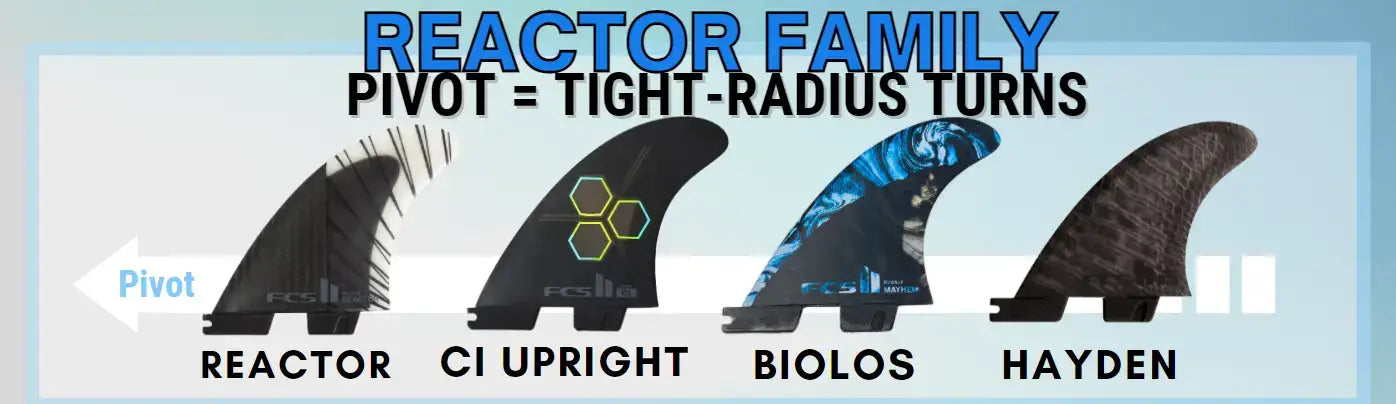
- リアクター – スピードとタイトな半径のターン
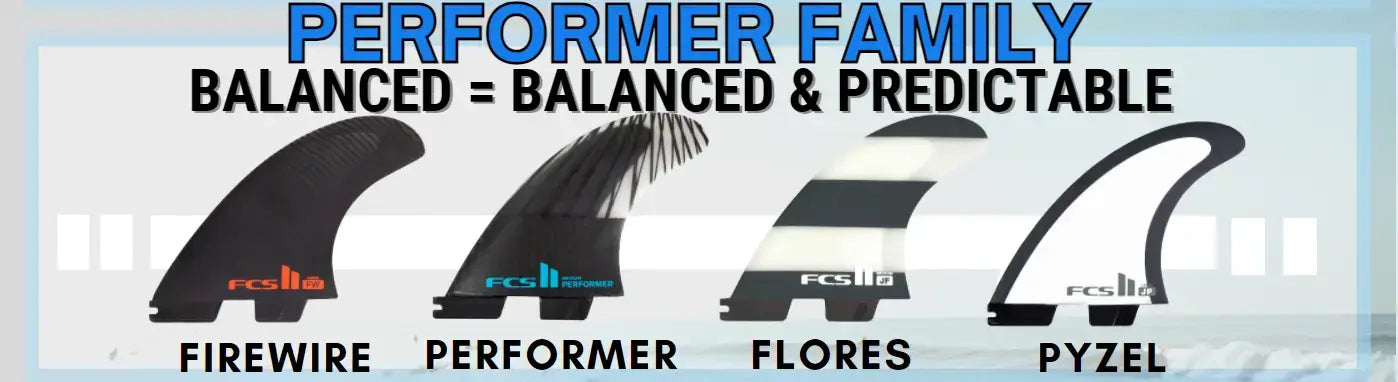
- パフォーマー – バランスとオールラウンドなパフォーマンス
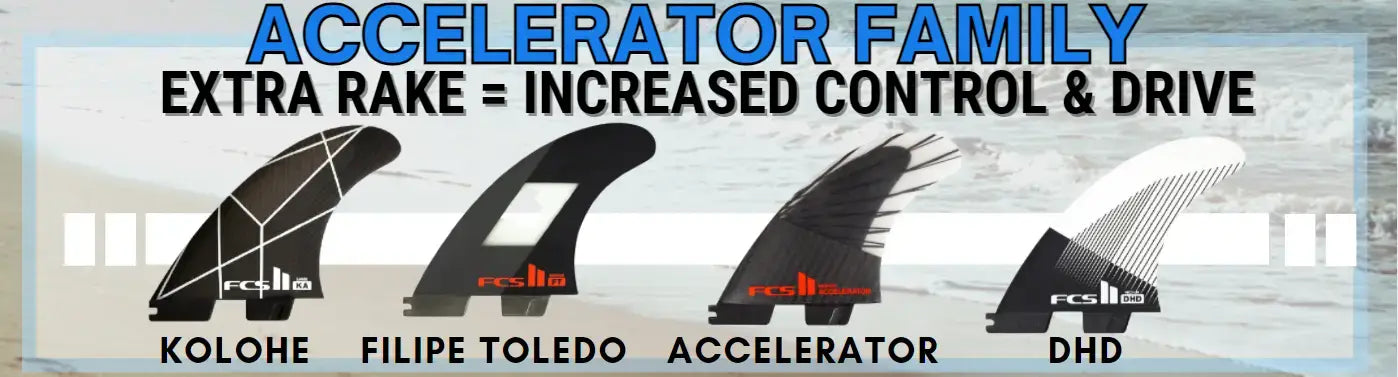
- アクセラレーター – ドライブ、コントロール、反応性
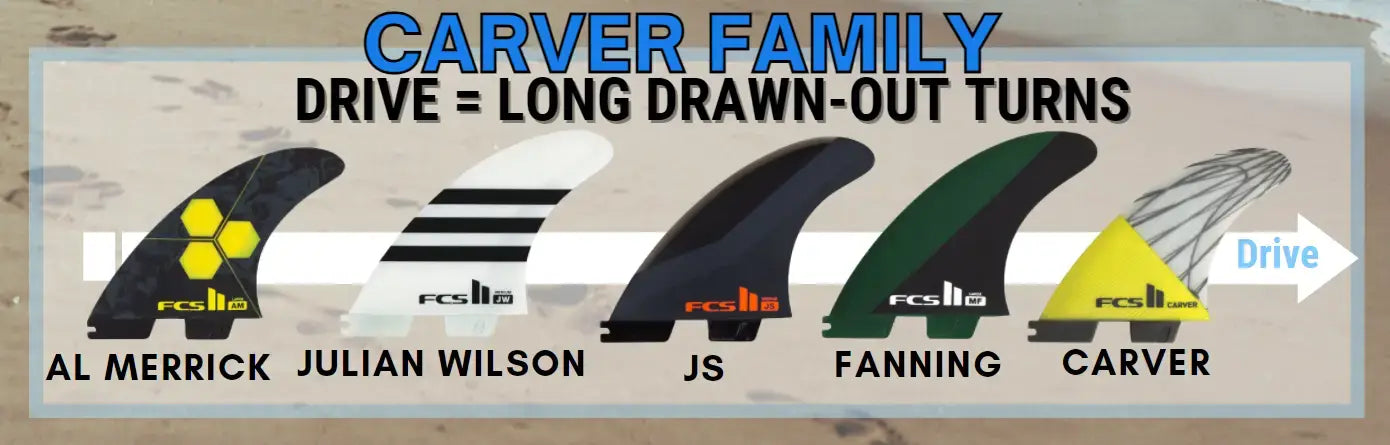
- カーバー – パワフルなターンとオープンフェイスの波でのホールド感
FCSリアクターフィン:スピードと精密さのために
パフォーマンス概要: FCSリアクターファミリーは、波の最も重要な部分で電光石火のターンを求めるサーファーのために作られています。これらのフィンは、タイトな半径の弧と素早い反応性を重視しています。アップライトなテンプレートとサイドフィンのフラットフォイルにより、素早い方向転換が可能になり、高性能ショートボードや、ポケットでのスナッピーなマニューバーを求めるサーファーに最適です。
理想的な波のコンディション: タイトなターニングアークが重要となる、ホローでパンチの効いた波に最適です。リアクターフィンは、反応速度が最も重要となる急な波で優れた性能を発揮します。
サーファースタイルとマッチング: ポケットに留まり、エアリアルを決め、最小限の抵抗でレールからレールへと移行したいサーファーに最適です。軽量なサーファーや、素早い動きでサーフィンする人に最適です。
ケオニ・ワトソンの考察: これはおそらく私たちの最も重要なフィンセットアップです。スナッピーでホローな波やビーチブレイク、つまりあらゆるバレルライディングのシナリオに最適です。最小限のレイクと超アップライトなデザインが特徴です。このセットアップには、チャネルアイランズアップライトや、昨年リニューアルされたグラフィックのマウントビオロスなど、伝説的なシェイパーフィンが含まれています。ヘイデンシェイプスもこのラインナップの一部です。リアクターのテンプレートは、短くスナッピーなビーチブレイクに最適な選択肢です。
FCSパフォーマーフィン:バランスの取れた多用途性
パフォーマンス概要: パフォーマーフィンファミリーは、FCSラインナップの中で最もバランスの取れたオプションです。これらのフィンは、さまざまなサーフコンディションで一貫性、予測可能性、信頼性の高いパフォーマンスを求めるサーファーのために設計されています。適度なプロポーションのテンプレートとニュートラルなスイープ、中程度のベースを特徴とするパフォーマーフィンは、スピード、フロー、レスポンスのバランスの取れたブレンドを提供します。
理想的な波のコンディション: これらのフィンは、崩れやすいビーチブレイクからパンチの効いたポイントウェーブまで、あらゆる種類の波で優れた性能を発揮します。その汎用性により、日常使いの頼れる選択肢となっています。
サーファースタイルとマッチング: パフォーマーフィンは、複数のボードやコンディションに対応できるセットアップを求める中級から上級サーファーに最適です。その適応性は、寛容でありながら反応性の高いものを求める成長途上のサーファーにとっても素晴らしい選択肢です。
ケオニ・ワトソンの考察: TFCSパフォーマーファミリー – これはユニバーサルなパフォーマンスのための当社の頼りになる存在です。ここには様々なシェイパーのテンプレートがたくさんありますが、その特徴は優れたバランス、スピード、ピボット、そしてドライブです。このフィンを際立たせる一つの特徴は、余分なスピードを生み出すインサイドフォイルです。当社の他のフィンがフラットフォイルであるのに対し、これはユニークなスピードブーストを持っています。このファミリーでは多くのクアッドやクアッドリアを扱っており、優れたオールラウンドオプションです。ハイゼルやファイヤーワイヤーのようなテンプレートがあり、ファイヤーワイヤーは若干異なるセットアップで、より大きなサイドフィンと小さなトレーラーで、よりスナップとホイップを効かせています。全体的に、パフォーマーファミリーは堅実でバランスの取れたパフォーマンスを提供します。
FCSアクセラレーターフィン:コントロールを伴うスピード
パフォーマンス概要: FCSアクセラレーターファミリーは、ハイパフォーマンスなサーフィン中にスピードとコントロールを提供するために設計されています。これらのフィンは、フルなティップと増加したスイープ(レイク)を特徴とし、スピードを犠牲にすることなく、パワフルで制御されたターンを可能にします。波のより大きく、より重要なセクションで自信を持ってマニューバーを実行するのに最適です。
理想的な波のコンディション: アクセラレーターは、頭上波やパンチの効いたビーチブレイクのコンディションで優れた性能を発揮します。高速でコントロールを維持することが不可欠なパワフルな波に対応するように設計されています。
サーファースタイルとマッチング: 体重のあるサーファー、パワーサーファー、または力強く積極的にライディングする人に最適です。これらのフィンは圧力下でもしっかりとホールドし、ボトムターンやリップでのスナップを通じてドライブ力を高めます。
FCSカーバーフィン:引き伸ばされたターンのためのパワーとコントロール
パフォーマンス概要: カーバーフィンファミリーは、パワフルで引き伸ばされたターンを好み、オープンフェイスの波で最大限のコントロールを求めるサーファーのために設計されています。これらのフィンは、細長いテンプレートと高いスイープ(レイク)を特徴とし、ボトムターンからの優れたホールドとプロジェクションを提供します。
理想的な波のコンディション: カーバーフィンは、長くてオープンなポイントブレイクや、ダウン・ザ・ラインのパワフルな波で優れた性能を発揮します。長いレールエンゲージメントを通してコントロールを維持する必要がある場合に最適です。
サーファースタイルとマッチング: これらのフィンは、レールを使ったサーフィンを好み、カービングマニューバーに積極的に取り組む、力強く重いフットワークのサーファーに最適です。カーバーファミリーは、よりロッカーのあるボードで最も効果を発揮し、ルーズさよりも安定性を求めるサーファーに支持されています。
ケオニ・ワトソンの考察: これらのフィンは、より大きな波とよりパワフルなターンのために設計されています。私たちのラインナップの中で最もレイクとスイープがあり、ステップアップ、深海のリーフブレイク、そしてターンを引き出す必要がある状況に最適です。5ヤードではなく、10ヤードのターンを想像してください。ここにはクラシックなフィン、例えばアルメリックやファニーのようなテンプレートがぴったりです。これらのフィンを際立たせる一つの特徴は、シャンファーフォイルという、内側の微妙な傾斜です。これは違いを生み出すディテールであり、特にファニングのようにターンを大きく広げるのが好きな人にとっては重要です。JSやエアコアなど、このファミリーにはたくさんの素晴らしいテンプレートがあり、最新のグラフィックは昨年発売されました。これらのフィンは、ハワイ最大の波で限界に挑戦する真剣なサーファーのために作られています。
FCSフィンサイズガイド
適切なフィンサイズを選択することは、パフォーマンス、コントロール、安全のために非常に重要です。FCSフィンは、ライダーの体重に基づいてサイズが決定されます。最適な反応と安定性を確保するために、常に体重とサーフィンスタイルの両方に合わせてフィンサイズを選択してください。
| サイズ | 体重範囲 | 最適 |
|---|---|---|
| スモール | 65kg / 145lbs 未満 | 軽量なサーファー、若者、または非常に機敏なライダー |
| ミディアム | 65~80kg / 145~175lbs | ほとんどのコンディションでの平均体重のサーファー |
| ラージ | 75kg / 165lbs+ 以上 | より多くのホールド感を必要とする体重の重いサーファーまたは力強いサーファー |
FCSフィンに関するFAQ
FCSフィンファミリーの中で初心者にはどれが最適ですか?
パフォーマーファミリーは、新しいサーファーにとって素晴らしい出発点です。バランスの取れたパフォーマンスを提供し、様々なコンディションでうまく機能します。
異なるFCSファミリーのフィンを混ぜて使えますか?
技術的には可能ですが、推奨されません。同じファミリーのフィンをすべて揃えることで、一貫した感覚とパフォーマンスが保証されます。
すべてのFCSフィンはFCS IIシステムに対応していますか?
FCS IIフィンは工具不要の取り付け用に設計されています。ただし、FCS IフィンはFCS IIプラグに装着するためにアダプターが必要です。常に互換性を確認してください。
フィンはどのくらいの頻度で交換すべきですか?
フィンにひび割れ、反り、緩みがないか点検してください。損傷している場合や大きな衝撃を受けた場合は交換してください。ソフトフレックスなどの素材は、時間の経過とともに劣化が早まる可能性があります。
フィンは環境に優しいですか?
ネオグラスエコシリーズは50%バイオレジンで作られており、パフォーマンスを損なうことなく持続可能性を重視するサーファーにとって優れた選択肢です。
お客様の声
FCS II H4 サーフボードフィンレビュー
お客様の声: 「クアッドフィーリングのスラスターだよ、兄弟…小さい日でも、でも大きい日も本当に良い。H4でボードがずっと活気づくんだ — クアッドのドライブとスラスターのドライブがね。」
マークのレビュー: "このフィンは素晴らしいです。私の友人たちも何人か使っています。JSモンスタボックスで使っていますが、モンスタボックスには様々な種類のフィンを試しました。そしてこのフィンは最高です。次はブラックボックス3で試してみるつもりですが、この夏にあった最後のいくつかのスウェルでは、このフィンは信じられないほどでした。
最後に:自分のサーフィンに合ったフィンを選ぼう
FCSは、サーフボードフィンの革新における世界的リーダーとしての地位を確立しており、あらゆるタイプのサーファーのために細かく調整されたオプションを提供しています。パンチの効いたリーフブレイクでスピードを追求している場合でも、穏やかなポイントで長いラインをカービングしている場合でも、あなたの目標に合わせたフィンファミリーがあります。
まだ自分のセットアップにどのフィンが最適かわからないですか?ハワイアンサウスショアのチームがいつでも喜んでお手伝いします。オンラインでも店頭でも、あなたのボードを強化し、あなたのサーフィンスタイルに合ったフィンセットアップを見つけられるようにします。
私たちは一流のディーラーなので、いち早く商品を入荷し、米国内のどこへでも無料で発送できます。
⚓ サーフボードに合ったリーシュを選ぶ

適切なサーフボードリーシュを選ぶことは、安全性とパフォーマンスの両方にとって極めて重要です。不適切なリーシュは、機器の故障につながったり、サーフィン体験を妨げたりする可能性があります。ここでは、ボードの種類とサーフィン条件に基づいて理想的なリーシュを選ぶための包括的なガイドを提供します。
リーシュの長さを理解する
リーシュの長さは通常、サーフボードの長さに合わせるべきです。これにより、転倒時にボードが安全な距離に保たれ、怪我のリスクが軽減されます。簡単な目安は次のとおりです。
- ショートボード(5'6"~6'6"): 6フィートのリーシュを選択します。
- ファンボード/ミッドレングス(6'6"~8'0"): 7フィートから8フィートのリーシュが適しています。
- ロングボード(9フィート以上): 9フィートから10フィートのリーシュを選択します。
- スタンドアップパドルボード(SUP): ボードのサイズに応じて、リーシュは8フィートから10フィートの範囲です。
ボードより短いリーシュを使用すると、ワイプアウト後にボードがあなたの方に跳ね返ってくるリスクが高まり、過度に長いリーシュは不必要な抵抗を引き起こす可能性があります。

リーシュの太さ:強度と抵抗のバランス
リーシュの太さは、耐久性と耐水性の両方に影響します。
コンペティションリーシュ(5mm以下):
小波や、抵抗を最小限に抑えたい熟練サーファー向けに設計されています。ただし、耐久性が低く、パワフルな波には耐えられない場合があります。
レギュラーリーシュ(6mm~7mm):
様々なコンディションでの日常的なサーフィンに適しており、強度と抵抗の低減のバランスが取れています。
ビッグウェーブリーシュ(8mm以上):
最大の強度が必要となる、大きくてパワフルな波向けに設計されています。
適切な太さを選択することで、パフォーマンスを損なうことなく、リーシュが波の状況に対応できるようになります。

アンクルカフ vs. カーフ(ニー)カフ
リーシュの取り付け位置は、動きやすさと快適さに影響します。
アンクルカフ:
ショートボーダーに一般的で、動きの自由度と使いやすさを提供します。
カーフカフ:
リーシュを脚の高い位置に保ち、クロスステッピングやパドリング中の干渉を減らすため、ロングボーダーやSUPサーファーに好まれます。

アンクルカフとカーフカフのどちらを選ぶかは、サーフィンスタイルとボードの種類によって異なります。
適切なリーシュの取り付け方
リーシュが正しく取り付けられていることを確認することは、ボードの損傷を防ぎ、安全性を高めるために不可欠です。
- リーシュストリングの長さ: リーシュが自由に動くように、リーシュストリングはできるだけ短く結びます。長いストリングは、ワイプアウト時にボードのテールに食い込む可能性があります。
- 確実な結び目: 滑りを防ぐために、信頼できる結び方を使用してください。ストリングは、所定の位置に留まるほどきつく、しかしリーシュプラグに負担をかけないほどに締めます。
- 位置決め: レールセーバー(取り付け部分の近くにあるリーシュの幅広の部分)がテールの端にくるようにし、リーシュコードからテールを保護します。
適切な取り付けは、機器の故障のリスクを最小限に抑え、リーシュとサーフボードの両方の寿命を延ばします。
サーフリーシュの基本 by ケオニ・ワトソン
ケオニは、フリーダムヘリックスリーシュがオリジナルフリーダムリーシュの進化形であると説明しています。このリーシュは、標準的なウレタンコア、外側の織り素材、チタン製のヘリックスラップという複数の素材を使用しています。ヘリックスは、「健全で快適な柔軟性」を提供し、無限に伸びることを制限することで、過伸張を防ぎます。
彼は、ネイサン・フローレンスがパイプラインで45日間連続でプロトタイプを使用し、リーシュが元の長さを保持していることを確認したと語っています。他のどのリーシュも、これほどのスウェルに耐えられなかっただろうと。
ケオニは、柔軟性のない超強力リーシュの欠点について語っています。これは引っ張りによって股関節や膝の怪我を引き起こす可能性があります。ヘリックスは、段階的に機能する多素材のストレッチポイントでこれを解決します。
彼はタウンの波にはヘリックスコンプリーシュを好んでいます。これはちょうどよく伸び、よく反発し、形を崩しません。また、硬めの感触と、キンクを防ぎリーシュを足首から遠ざける拡張されたステムとホーンにより、簡単に絡まりません。
カフは適度な構造とパッドがあり、ミニマリストすぎず、引っ張りタブと内側のジェルパターンが付いており、滑りを防ぎます。
ケオニはリーシュを足首の後ろ45度の角度で着用しており、これによりリーシュが水からきれいに離れ、フィンやボードのテールに絡まるのを防ぎます。
彼はリーシュストリングを二重に(ループ状に)して4つの圧力を得ており、これは柔らかく薄いレールセーバーとうまく機能します。彼は、電気コードのようにオーバーアンドアンダーパターンでストリングをループさせると、絡まりが減ることを学びました。
大きなボードの場合、彼は2つのリーシュプラグを使用しています。1つはメインのストリング用で、もう1つはバックアップのより細くてしなやかなストリング用で、干渉を減らしつつも安全性を確保しています。
彼は提供されるサイズとして、6フィートのコンプ、6フィートのレギュラー、7フィート、7フィートのコンプ、9フィート、9フィートのカーフを挙げていますが、このシリーズには8フィートはありません。
6フィート10インチのボードには、安全性とパフォーマンスのために7フィートのリーシュを推奨しています。
サーフボードリーシュを慎重に選択し、手入れをすることで、安全性とサーフィン体験が向上します。最新の開発情報を把握し、自分のニーズと環境に最適な選択をしましょう。
FCSフィンを見る リーシュを見る🎯 違うロングボードフィンがあなたのライディングを変えると思うか?それは変わる。
もしあなたがこれまでに、自分のロングボードを見て「フィンを変えたら何か変わるかな…」と思ったことがあるなら、それはあなただけではありません。

私たちはこの質問をYouTubeのコメント、InstagramのDM、メール、そしてここショップで常に受けます。そして、多くのサーファーは、フィンが根本的に違うように見えない限り、大きな影響はないだろうと考えています。
しかし、真実はこうです: フィンデザインのわずかな変更でさえ、ボードの感覚を完全に変えることができます。ボードをルーズにしたり、ターンをホールドさせたり、よりフローを与えたり、足元でボードの反応を速くしたりすることができます。
<誰かがついにフィンを交換してその違いを感じたら?彼らはほとんどいつも「もっと早くやるべきだった」と言います。/p>🧠 プロのフィンセットアップを真似してもいつも上手くいくとは限らない理由
YouTubeクリップを見て、プロが9.75インチのフィンを使っていると聞くと、全く同じものを注文したくなるかもしれません。しかし、問題はここです。そのフィンは、彼らがサーフィンをする方法に合っているのです。あなたには必ずしも合っているとは限りません。
CJネルソンを例にとると、彼は非常にパワフルにサーフィンします。彼はボードのテールに直接乗り、ボードを力強くドライブさせ、大きなフィンをコントロールしてピボットさせます。もしあなたがボードに同じ圧力をかけていないなら、そのフィンは硬く、反応が鈍く感じるかもしれません。

ジョエル・チューダーは、スムーズで優雅なアプローチです。彼は滑らかに滑り、トリムし、優雅に流れます。彼のフィンは、ハードで力強いターンではなく、コントロールとバランスのために調整されています。
そしてテイラー・ジェンセンは?彼は足裏のパワーが非常に強い高性能ロングボーダーです。彼のセットアップは、素早い移行と爆発的なターンのために作られており、伝統的なロギングとは全く異なります。
たとえプロと同じ身長や体重であっても、彼らのセッティングが自分に合うとは限りません。それは、あなた自身のライディングスタイル、足の置き方、そして波の選択によって決まるからです。
📋 あなたに合うフィンを見つけるための6つの質問
「どんなフィンに乗ればいいですか?」と聞かれたとき、私たちは物事を複雑にしようとしているのではなく、初回で完璧なフィン選びができるようお手伝いしたいのです。通常、次の質問をします。
- どのようなロングボードに乗っていますか?(モデル、サイズ、分かればテールの形状)
- 現在使用しているフィンは何ですか?(モデル名だけでも、または簡単な写真でも構いません)
-
ボードにどのような感覚を求めていますか?
- ルーズでターンしやすい感覚
- より安定してターンでホールドする感覚
- 身長と体重は?
- 普段どのような波でサーフィンしますか?(ビーチブレイク、リーフ、またはポイント)
-
ボードから何を得ようとしていますか?
- ノーズライディングやクロスステップでログのように乗りたい?
- ノーズライディングとターンの両方を楽しみたい?
- よりパフォーマンス重視の感覚?
シングルフィン vs 2+1? 感覚を知ろう

もう一つお聞きするのは、「シングルフィンとして乗りたいですか、それとも2+1のセッティングで乗りたいですか?」ということです。ボードによってはどちらか一方専用に作られているものもあります。しかし、サイドフィンボックスがあるロングボードの多くは両方の方法で乗ることができ、感覚が大きく異なります。では、その違いは何でしょうか?
シングルフィン:クラシックで、流れるような滑らかな感覚
シングルフィンは、伝統的なロングボードの感覚を与えてくれます。流れるようなターン、長く伸びたライン、そして水中での抵抗の少なさ。シャープな方向転換ではなく、よりレールを使い、微妙な体重移動に頼ります。
🧠 True Amesがうまく説明しています:「シングルフィンはクラシックで流れるようなスタイルを促進します。トライフィンのようなスナップターンはできませんが、滑らかさと波とのより一体感のある感覚が得られます。」ノーズライディング、トリミング、そしてクリーンでスタイリッシュな滑りに最適です。
🟪 2+1セッティング:より優れたコントロールとドライブ
サイドバイトを追加すると2+1になります。これにより、より優れたコントロール、迅速な反応、そしてターンでのドライブが向上します。センターフィンが依然としてほとんどの操舵を担当しますが、サイドフィンは特に急な波や速い波で、より強くプッシュするのに役立ちます。

🧠 Longboard Magazineが最も的確に述べています:「2+1のセッティングは、シングルフィンの安定性を保ちながら、ターンをより強くプッシュする能力を与えます。パフォーマンスエッジを求めるが、ロングボードのグライド感を愛するサーファーに最適です。」
🧪 異なるフィンは実際に何をするのか?
私たちは誇大広告を信じていません。長年信頼されてきた実績のある形状に焦点を当てています。ここでは、異なるフィンデザインが水中で実際にどのように感じるかについての簡単なガイドです。
安定性とホールドが必要ですか?
ベースが広く、レイク(後方に大きく傾斜した形状)が多いフィンを探してください。これらはよりドライブと安定性を提供し、長く伸びたターンや自信のあるノーズライディングに最適です。
🔧 例:Greenough 4A
クラシックなデザインで、広いベースと十分なレイク。パワフルで安定した感覚で、スタイリッシュなトリミングやハンギングテンに最適です。

タイトなターンとルーズさが欲しいですか?
レイクが少ない、よりアップライトなフィンは、ボードをより機敏で素早く感じさせます。より速くピボットし、ビーチブレイクや小さい波に理想的です。
🔧 例:Joel Tudor Pivot Fin
シャープなターンと素早い反応のために設計されており、ノーズライディングにも適しています。スムーズでキビキビとした動きで、スタイルとコントロールを求めるサーファーに最適です。

フレックスと軽い感覚をお探しですか?
一部のフィンはチップに多くのフレックスがあり、ボードに弾むような遊び心のある感覚を与えます。これにより、ライドが軽くなり、ターンでの流れが生まれます。
🔧 例:Randy Rarick Black Tip
ボードに生き生きとした感覚を与えるフレックスフィン。クルージング、ターニング、そしてあらゆるコンディションでの全体的な楽しさに最適です。

📩 新しいフィンを試してみませんか? ご相談ください。
異なるフィンがあなたのライディングをどのように変えるか興味があるなら、おそらく変わるでしょう。わずかな変更でも、ボードがより速く、よりルーズに、より滑らかに、あるいはよりしっくりくるように感じられることがあります。
6つの質問への回答をメールで送っていただくか、ショップに立ち寄ってください。私たちはあなたのサーフィンに最適なものを見つけるお手伝いをします。
ロングボードフィンはこちらから📅 5月のまとめ:今月の最大のサーフニュース
今月はサーフィンにとって忙しい月でした。過去4週間で、ボーダーラインのXLマーガレットリバーでの大会、5年ぶりのザ・ボックスでの最初のヒート、ワールドツアーの下位3分の1のカット、世界タイトル争いの大激戦、そして日本のスタブ・ハイ・コンテストでの空中演技を目の当たりにしました。フィジー、インドネシア、メキシコでの注目すべき波の連続は言うまでもありません。
以下は、5月のサーフィン界の最大のニュースの内訳です。
ジョーディ・スミスとガブリエラ・ブライアンが西オーストラリアで優勝
ワールドツアーの7番目のイベントであり、オーストラリアで連続して開催された3番目のイベントである西オーストラリアのマーガレットリバーでのコンテストは、多くの点でエキサイティングでした。まず、メインブレイクでここ数年見た中で最大の波で開催され、地元のワイルドカードであるウィロー・ハーディがソリッドな12フィートの波に挑戦しました。バロン・マミヤはインサイドセクションで大波に巻き込まれ、洞窟に閉じ込められ、多くの人々が頭から波を被りボードを折りました。そして、これらすべてがイベントが移動し、ザ・ボックス(1990年代に海面下でのチャージを招いたチャネルの向こう側にある厄介なスラブ)に再配置される前に起こりました。

ラウンド16でザ・ボックスで開催されたヒートはわずか4つでしたが、風が悪くなる前に、サーフファンは半世紀ぶりに見たことのないものを見ることができました。ザ・ボックスはソリッドな4フィートから6フィートで、競技者は圧倒的だったか(前日の大混乱から立ち直り、見事な技を見せたマミヤのように)、あるいはボイルの中で迷子になったか(トップ5サーファーの五十嵐カノアのように、2.50点しか出せなかった)でした。コンテストの波、そしておそらく今年の波は、グリフィン・コラピントに与えられました。彼は信じられないほどワイルドな泡のライドを何とか乗りこなし、9.0点を獲得し、またしてもヒートを勝ち取りました。(グリフはメインブレイクでの特大のエアリバースで、イベント唯一の完璧な10点も獲得しました。)彼はその努力が2時間後に報われ、弟のクロスビー・コラピントがハワイのジャクソン・バンチを辛うじて破り、ミッドイヤーカットを通過した最後の人物となりました。

ジョーディ・スミスとガブリエラ・ブライアンは数日後、メインブレイクで優勝しました。両者ともランキングで1位としてオーストラリアを離れ、ツアーがトラッセルズに向かう際にはイエロージャージを着用します。トラッセルズでは、今年の初めに参加した競技者の3分の2しか残っていません。グリフィン・コラピントとケイトリン・シマーズが準優勝しました。
最終的なカットは最も深い
ワールドサーフリーグ(WSL)の新CEO、ライアン・クロスビーは2024年5月13日に就任しました。1年後、彼は2026年のワールドツアーに大きな変更を発表しました。その変更には、シーズンが再びパイプラインで終了すること、ファイナルデイイベントがなくなること(代わりに、かつてのように12イベント後の累積ポイントが最も多い選手が世界チャンピオンとなる)、そしてミッドイヤーカットがなくなることが含まれます。この3つ目の点は、多くの下位ランカーにとって安心材料となったでしょうが、これが最後のミッドイヤーカットとなるため、今年のカットは例年以上に厳しいものとなりました。マーガレットリバープロの後、その不運な選手たちが誰であるかが判明しました。以下のサーファーは2025年の残り4イベントに出場しません:マシュー・マクギリヴレイ、リアム・オブライエン、ジャクソン・バンチ、ジョージ・ピター、イアン・ゴベイア、サミュエル・プポ、イマイカラニ・デヴォー、デイヴィッド・シルバ、イアン・ジェンティル、ラムジ・ブキアム、エドガード・グロッギア、ライアン・キャリナン。彼らは来年ツアーに復帰するため、チャレンジャーシリーズで奮闘しなければなりません。女子側では、タチアナ・ウェストン=ウェッブとジョアン・デフェイはシーズンを通してほとんど負傷しており、ナディア・エロスタルベとサリー・フィッツギボンズとともにチャレンジャーシリーズに降格しました。さらに、ブリッサ・ヘネシー、ベラ・ケンワージー、ヴァヒネ・フィエロ、ソーヤー・リンドブラッドもミッドシーズンカットを通過できず、2025年の残り4イベントを欠場しますが、彼女たちはすでに2026年のワールドツアーの資格を得ています。
スタブ・ハイ、日の出ずる国で成層圏に達する
Stabの年次エアリアルコンテストは、ある種の目新しさと付随的なショーへと進化しました。ワールドツアーよりも組織的ではなく、よりパンク・ロック的ですが、それでもめちゃくちゃ面白いです。今年は例外ではなく、このイベントは日本の波のプールで行われ、左右両方に新しく改良されたスーパーランプが設置されました。2日間にわたり、誰もが巨大なエアを披露しました(ジュリアン・ウィルソンも、ワールドツアーのゴールドコーストイベントでワイルドカード2位で競技復帰した後、招待されました)。失敗も多かったですが、着地したエアは特徴的に大きく、ひねりがありました。プールに集まった才能の量を考えれば、これは予想通りです。
若き日のヒューイ・ヴォーンが男子イベントで優勝し、シエラ・カーが女子イベントで優勝しました。ロシ・カレンはボトルロケット(ジュニア男子)イベントで優勝し、男子決勝にも出場して4位に入賞しました。一方、エデン・ワラはレディバーズ(ジュニア女子)イベントで優勝し、女子イベントでは同率3位に入賞しました。マイキー・ライトは男子決勝には進出できませんでしたが、予選ラウンドで着地した巨大な倒立リーンの回転で、イベントで最高のエアに贈られるモンスターエア賞を獲得しました。
南半球が活発化
夏至は6月21日まで来ませんが、南半球は早くも活発化し、インドネシアには堅実なうねりが押し寄せ、メキシコのプエルトエスコンディドでは境界線ぎりぎりのXLサイズのうねりが絶え間なく押し寄せ、フィジーのクラウドブレイクでは最初の本格的なレッジのうねりがありました。特にクラウドブレイクのうねりは、これ以上ないほど素晴らしかったのですが、ここ数年見た中で最も混雑しており、50〜75人のプロレベルのサーファーが伝説的なレフトハンドの波に押し寄せ、激しい競争が繰り広げられました。そこにいた知人の多くは、フィジーでサーフィンした中で最もフラストレーションのたまるうねりだったと報告していますが、群衆の中から宝石のような波を掴むことができた人にとっては、それは確かに美しく見えました。
一方、5月末の数日間、シーズン終盤の非常に遅い北からのうねりがオアフ島に押し寄せ、セブンマイルミラクル沿いに4〜6フィートのセットをもたらしました。ノースショアを完全に諦めることはできませんが、9月までにオアフ島で本格的な北からのうねりを見るには、ほとんど奇跡に近いでしょう。ですから、誰もがカントリーへ向かい、うねりが消える前に数本の波を掴むことができたことを願っています!幸いなことに、南からのうねりのシーズンが始まったばかりで、6月の最初の週にはタウンに非常に堅実なうねりが来るかもしれません。
どうぞお楽しみください!